
Optimal Timing for Storm Restorations
Understanding the optimal time for storm restorations is essential for effective and efficient repair work. The timing depends on weather patterns, seasonal conditions, and regional climate factors. Proper scheduling can minimize delays and ensure safety during restoration activities.
Storm restoration projects are most effective during periods of stable weather, typically outside of peak storm seasons.
Immediately after a storm, restoration efforts are crucial to prevent further damage and to restore safety and stability.
Scheduling during less active storm periods can lead to quicker response times and more available resources.
In Michigan, late spring and early fall often present moderate weather suitable for storm restorations.
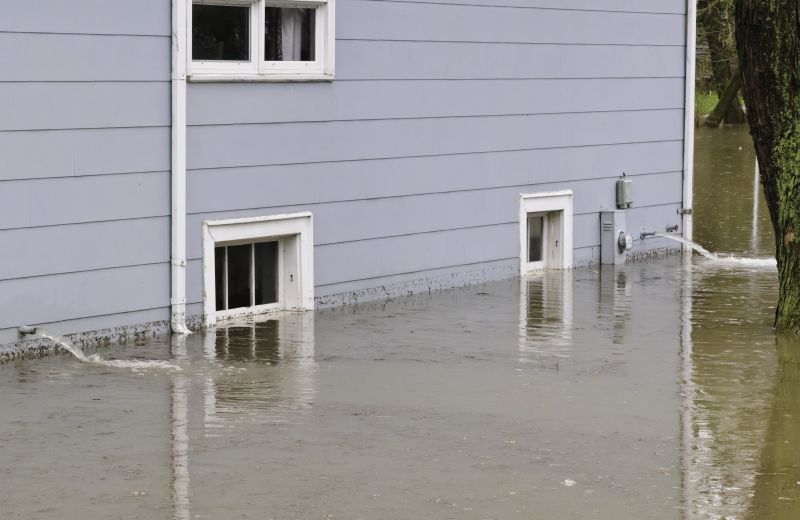
Evaluating damage promptly after storms ensures timely restoration efforts.
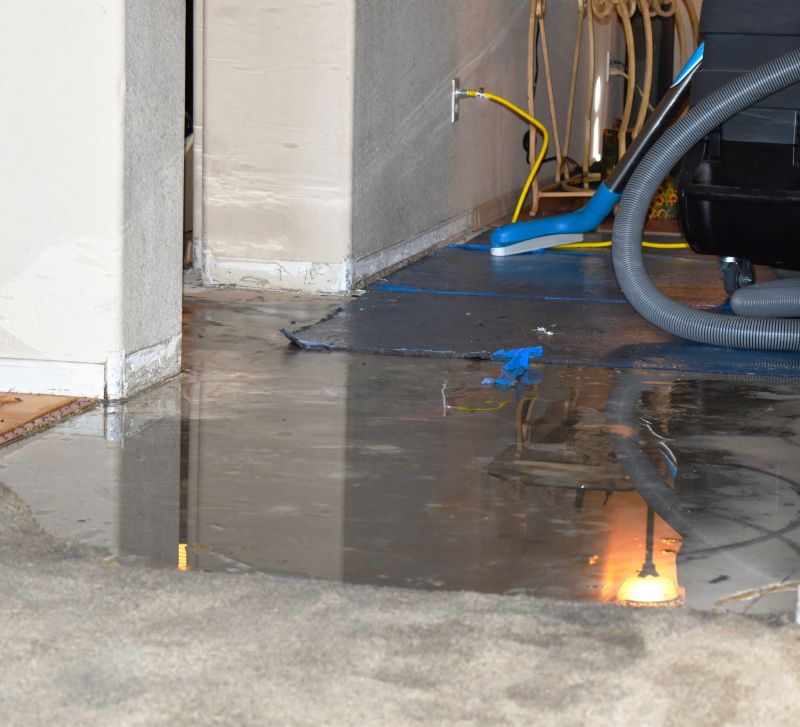
Proper equipment readiness is essential for efficient storm damage repairs.
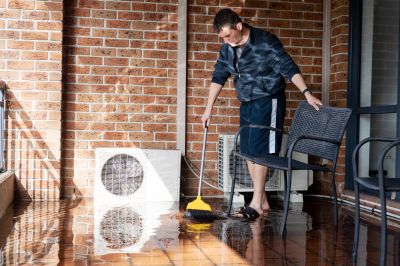
Organizing restoration teams during optimal weather improves response times.

Storing repair materials in advance can streamline restoration work during storm seasons.

Ways to make Storm Restorations work in tight or awkward layouts.
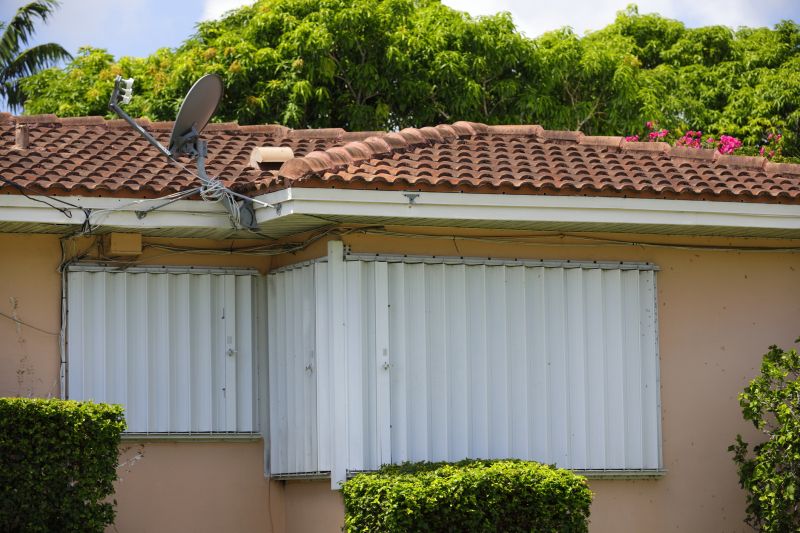
Popular materials for Storm Restorations and why they hold up over time.

Simple add-ons that improve Storm Restorations without blowing the budget.

High-end options that actually feel worth it for Storm Restorations.
| Factor | Impact on Storm Restorations |
|---|---|
| Weather Stability | Ensures safe working conditions and reduces project delays. |
| Seasonal Storm Activity | Lower activity periods allow for better scheduling and resource allocation. |
| Regional Climate | Michigan's late spring and early fall are ideal for restoration work. |
| Post-Storm Window | Immediate response minimizes further damage and expedites recovery. |
| Preparation Time | Advance planning improves efficiency and resource management. |
| Resource Availability | Off-peak times may offer more accessible materials and labor. |
Storm restorations involve assessing damage, repairing structural elements, and restoring safety and functionality to affected areas. Timely intervention can reduce long-term costs and prevent secondary issues such as mold or further structural deterioration. Proper planning and understanding of regional weather patterns are key to scheduling restorations effectively.

Thorough damage inspections are critical immediately after storms.

Skilled crews mobilize quickly during optimal weather periods.
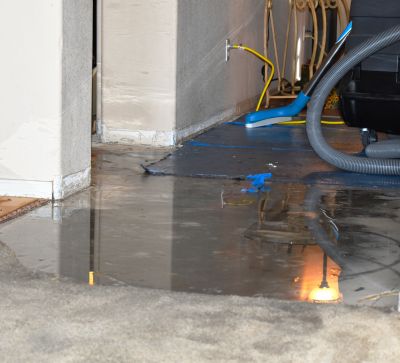
Availability of materials accelerates the restoration process.

Advanced equipment enhances repair precision and efficiency.

Little measurements that prevent headaches on Storm Restorations day.

A 60-second routine that keeps Storm Restorations looking new.

A frequent mistake in Storm Restorations and how to dodge it.

Small tweaks to make Storm Restorations safer and easier to use.
Interested parties are encouraged to contact for further information regarding storm restoration services. Proper timing and preparation can significantly impact the success and efficiency of recovery efforts following storm events.